Acupuncture: Ancient practice. Modern science. Real results.
Not woo. Not wishful thinking. Backed by Neuroscience.
Acupuncture is one of the oldest healing practices in the world. In Eastern medicine, the body is viewed as a network of pathways that carry Qi, the vital energy that powers every function in the body, from circulation and digestion to immunity and emotional balance.
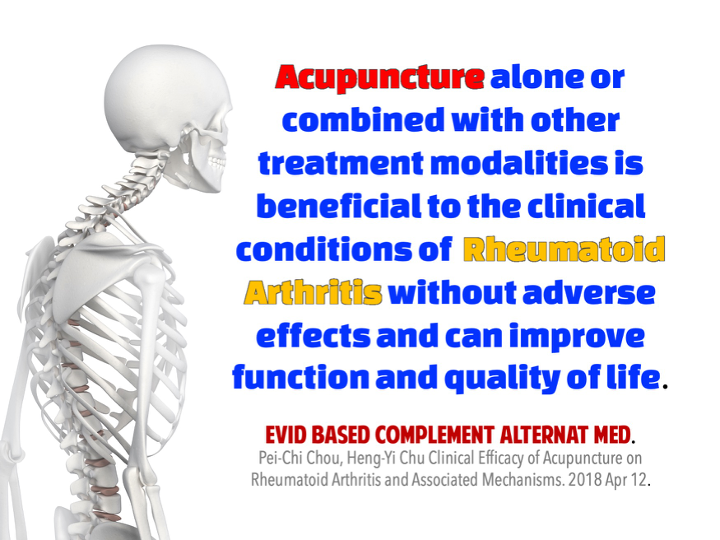
From a Western perspective, acupuncture's effects are explained through neurophysiological mechanisms involving peripheral nerve activation and central nervous system modulation. Acupuncture stimulates peripheral nerves in muscles, sending impulses through three levels of the nervous system: the spinal cord, midbrain, and hypothalamus-pituitary system. This cascade triggers the release of neurotransmitters and hormones, producing analgesia. Acupuncture effectively regulates the autonomic nervous system (ANS) by activating sensory nerve fibers and integrating signals through complex brain networks. Through autonomic pathways, acupuncture alleviates visceral dysfunction, reduces inflammation, and relieves pain.
Bidirectional Signaling: How Acupuncture Communicates With Your Brain.
Our nervous system works like a two-way communication highway between brain and body.
Signals travel in both directions:
From the brain to the body – controlling muscles, hormone release, digestion, immune responses, and stress reactions: Efferent signaling, Brain → Body
From the body back to the brain – providing feedback about touch, tension, pain, inflammation, posture, and internal organ function: Afferent signaling, Body → Brain
How This Relates to Healing?
Your brain constantly rewrites its instructions based on the signals it receives from the body. If your body is sending repeated signals of pain, inflammation, tension, stress, and trauma, the brain learns to remain in a protective mode: keeping muscles tight, nerves sensitive, inflammation high, and stress hormones elevated. This is how chronic pain, anxiety, digestive dysfunction, fatigue, and inflammatory conditions can become “stuck” patterns in the nervous system.
How Acupuncture Helps Reprogram the Nervous System
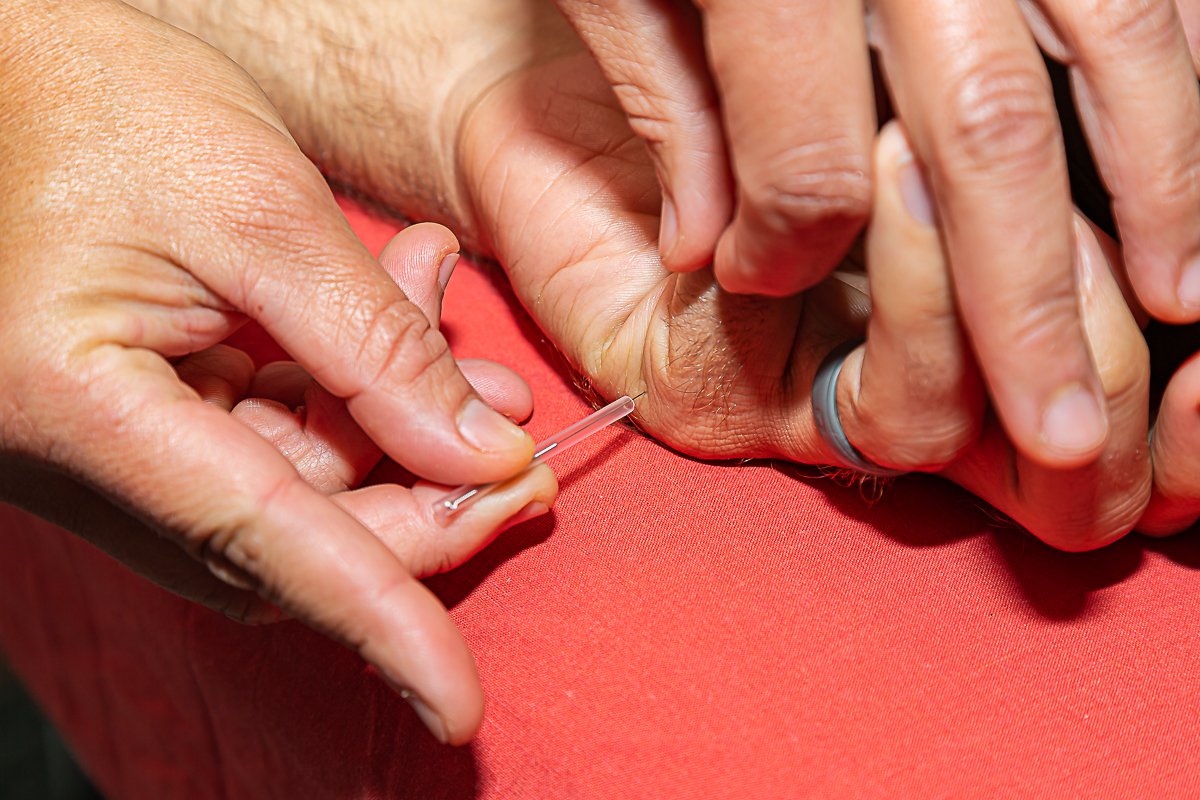
Acupuncture works by sending new signals into the nervous system through the afferent (body-to-brain) pathways. When acupuncture needles gently stimulate specific tissues and nerve endings, sensory nerves are activated → signals travel up the spinal cord to the brain → the brain receives fresh feedback that the area is safe, relaxed, not injured, and supported. This input helps the brain shift out of protective mode and into healing mode. Once the brain processes these calming signals, it sends new instructions back down through efferent (brain-to-body) pathways to regulate muscle relaxation, pain signal dampening, blood flow improvement, immune modulation, organ function, and hormonal balance.
Acupuncture initiates a healthy communication cycle: needle → nerve → brain → body → healing response
This two-way loop allows the nervous system to reset dysfunctional patterns that keep symptoms locked in place.
Acupuncture creates a unique opportunity for healing by opening a “reset window” within the nervous system.
The “Reset Window”
Each acupuncture session creates a temporary period of heightened neuroplasticity, a state where the brain is especially open to change and adaptation. During this window pain circuits become more adaptable, stress responses quiet down, muscles and connective tissue relax, autonomic balance improves, and the brain becomes more receptive to new inputs. This is when the nervous system is most capable of reorganizing toward healthier function.
Healing Works Best When Therapies Are Combined
Because acupuncture opens this reset window, it works best when paired with other supportive therapies such as:
Manual therapies
Functional nutrition and supplementation
Movement and exercise therapy
Breath-work and nervous-system training
Trauma-informed or cognitive therapies
Lifestyle optimization
Together, these therapies feed new information into a nervous system that is already primed for change, significantly increasing the body’s ability to release old patterns and integrate healthier ones.
Why This Matters
Healing doesn’t happen by forcing the body, it happens by changing the signals the nervous system receives. Acupuncture doesn’t mask symptoms; it helps the nervous system reset the root communication loops controlling it. When the brain receives consistent new feedback from the body, it begins to reorganize itself and lasting healing can become possible.
Dr. Molina’s Clinical Specializations:
Chronic Pain
Osteoarthritis
Orthopedic Injury and Rehab
Migraine and Tension-headache
Cancer-related Fatigue
Stroke Rehab
Cardiovascular Disease
Menopausal Symptoms
PCOS
Female Infertility
Gastrointestinal Disorders (FIGs, IBS, UC, Crohn’s)
Behavioral Health Disorders (Anxiety Disorders, Depression, PTSD & Trauma-Related Disorders, OCD, Insomnia & Sleep Dysregulation, ADHD, Substance Use Support)
Acupuncture Modalities Offered:
Traditional Meridian Acupuncture
Medical Acupuncture
Orthopedic / Sports Acupuncture
Trigger Point / Dry Needling
Electroacupuncture (EA)
Auricular (Ear) Acupuncture
Abdominal Acupuncture
Five-Element Acupuncture
Pricing:
Acupuncture Single Session Price
60-Minute Session $125
Acupuncture Therapy Packages
Package of 10, 60-Minute Sessions $1,000
Package of 5, 60-Minute Sessions $500